Just How to Manage Fencing Disputes
A fence dispute is never ever just about boards. It is about the line you think is your own, the next-door neighbor you did not plan to fulfill personally, and the small collection of decisions that can turn a weekend irritation into months of friction. I have stood at the edge where two buildings meet and seen excellent intentions drain pipes out of the air, one argument at a time, up until every person starts speaking like legal representatives also when no person is wearing a tie.
The excellent news is that the majority of fence disputes are solvable. The even better information is that you can make them solvable faster by altering exactly how you approach the problem. Instead of leading with anger or with "I'm sure I'm right," you want a field-tested mix of tranquil documents, practical measurement, and regard for the common truth that people often misremember boundaries.
Below is how I manage fence conflicts in the real world, including the components that hardly ever get reviewed, like exactly how to speak with a neighbor that currently got the materials, how to stay clear of paying two times, and when it is smarter to stop briefly building and construction and gather evidence first.
Start like a surveyor, not a spectator
The first few mins figure out the temperature level of the whole scenario. When a neighbor confronts you, they typically really feel either obstructed or endangered. Occasionally it has to do with a gateway. Occasionally it is about something that looks "undoubtedly" incorrect, like a fencing that seems to intrude by a couple of inches. Even when the fence is truly on their side, the next-door neighbor may still be disturbed since it minimizes their control of the yard.
I try to begin with a question that allows the other person save face. Something like, "I wish to obtain this sorted based upon the real line, not hunches. Have you seen the survey, or do you know where the pins are?" That shift issues. You are not implicating, you are collecting facts.
Then I do the silent job:
- I seek physical limit cues that can be validated, like survey markers, iron poles, or permanent monuments.
- I note what exists on both sides, consisting of any type of gateways, posts, or fences that might have been moved before.
- I take photos from numerous angles, consisting of vast shots that reveal landmarks.
If the conflict started after brand-new building, I ask exactly how the fencing was placed, whether there was a stake line, and whether a fence company was entailed. Some conflicts take place due to the fact that a contractor determined from an assumption. Others occur due to the fact that the building was subdivided long earlier, and the "open secret" variation of the limit got repeated so usually that it came to be belief.
Even if you know the fence is incorrect, withstand need to improvise a debate. Instead, act like you are preparing an instance documents. It transforms the discussion from emotion to evidence.
Get the facts that really clear up it
Here is experienced fence installers where people typically fail: they gauge once, they estimate distance, they argue concerning whose measuring tape is better, and afterwards nobody can describe why the line is what they claim.
A trusted boundary story typically has 3 items: a known lawful line, a method to recognize it on the ground, and proof that the physical fence matches or disputes with that line.
If you have not currently, request for duplicates of:
- a current land study (or older study linked to the very same lawful summary),
- any plat documents from the class, and
- any previous agreement in discussing fence placement.
If your neighbor declines to share records, you are not vulnerable. You can still obtain your own study details. The trick is to concentrate on verifiable actions as opposed to attempting to out-argue someone.
One time, I replied to a next-door neighbor's claim that "the fence has actually always been below." That appeared convincing till we found a study from a previous sale that showed the fence was off the line by several feet because area. The neighbor had actually enjoyed it represent years, however a fence can be incorrect for years and still really feel "normal." As soon as the survey existed, the whole dispute changed from opinions to a map.
Walk the line meticulously, and do not trust fund memory
Walking building borders can feel straightforward till you struck the real world: old landscaping, thick plant life, crushed rock courses, and fence lines that have actually drooped or been reconstructed with time. A misaligned fence does not necessarily indicate a wrong boundary. It can imply a fencing got fixed without re-anchoring to the lawful line.
As you inspect, keep your eyes on the clues that minimize uncertainty.
- Are there edge monuments or pins at the ends of the contested segment?
- Does the fence line up with known right of way features or easements?
- Is the ground interrupted in such a way that suggests a fence was moved?
The "adventurous" part of this phase is just how physical and stubbornly detail-oriented it gets. You are out there with a note pad, a phone electronic camera, and sometimes a pal who can keep an eye on measurements while you talk. If the weather condition misbehaves, you go anyhow. A fencing dispute in the rain still counts, and damp ground can conceal offsets you will otherwise miss.
If you and your next-door neighbor disagree regarding dimensions, do not rise by repeating the very same argument. Rather, agree on one dimension method and one recommendation point, ideally based on survey information. If that can not happen, you treat your own dimensions as supporting evidence, not as the final word.
Decide early whether to stop briefly work
If the disagreement is happening during a brand-new fence set up, your next step is not "finish solid," it is "stop up until you understand where you stand."
A brand-new fence can create a larger trouble even when the final result is appropriate. If the fence is built in the wrong place, eliminating it later is expensive. If you construct first and argue later, you likewise risk being seen as the aggressor.
I have viewed a circumstance go sideways because one side maintained working while the other side was trying to get a study consultation set up. The fence company sent out staffs, the job started, and by the time records surfaced, the fence currently existed, total with brand-new messages that had actually moved the conversation into "that paid for what."
A tranquil time out protects everyone's options. Also a two-week hold-up can avoid months of conflict, depending on exactly how swiftly a property surveyor can appear and how participating your neighbor is with access.
If you need a practical manuscript, try this: "I'm not looking to block the project. I wish to validate the line before we go farther, so we do not redo anything. If we verify it's all great, we can maintain moving quickly."
Use documentation that holds up under stress
A fence disagreement is just one of those rare problems where you might in fact need documents. Not always for court, but for arbitration, an insurance policy case, or a created contract that prevents the exact same problem from returning following season.
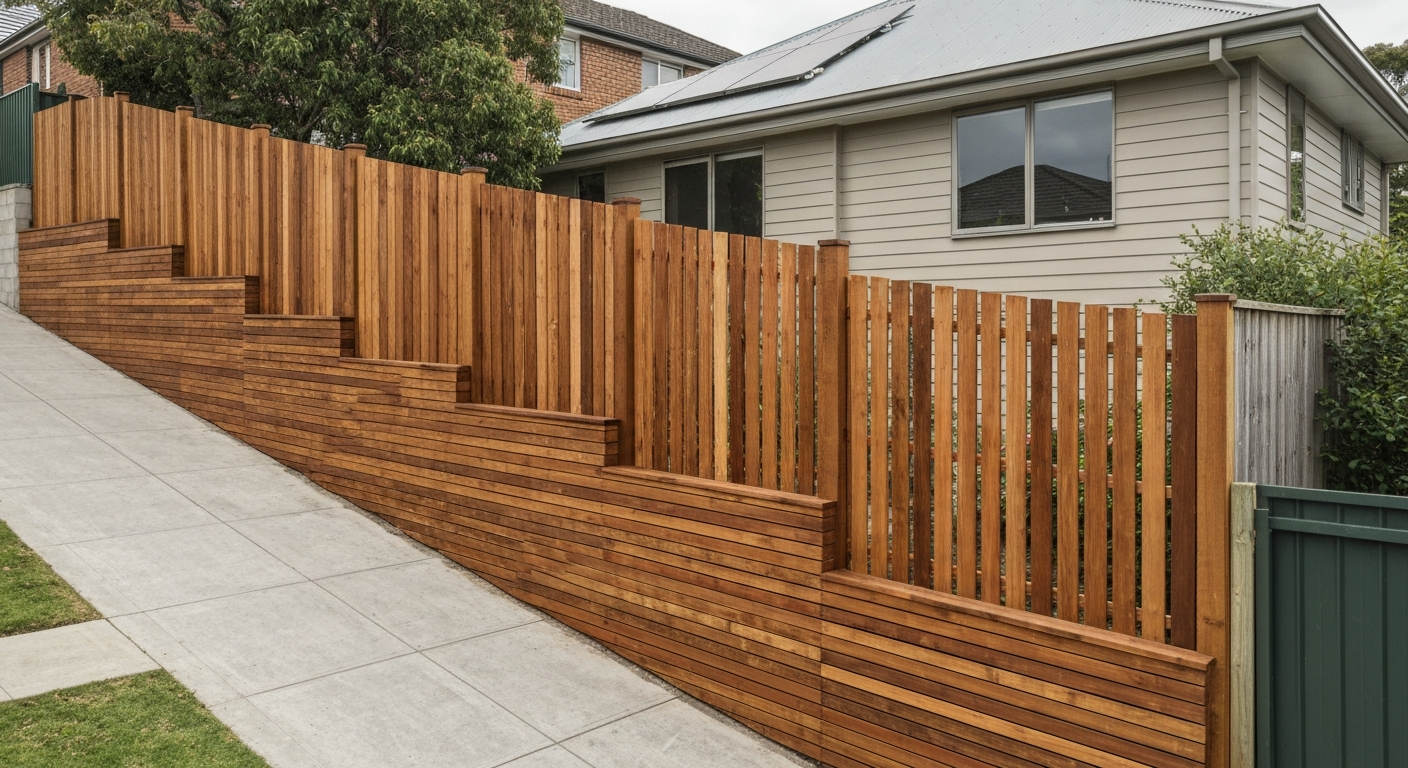
Photographs are practical, yet they are inadequate by themselves. I like documents that shows context, not just close-ups.
Take wide-angle images that show the fencing sector about dealt with factors like driveways, walkways, developing edges, or utility poles. Likewise capture any kind of markings that indicate study points. After that take close-up shots of the fence hardware: post placement, string line perceptions if they exist, and entrance locations.
If your jurisdiction has rules concerning secure fencing, include a document of any kind of appropriate notices, e-mails, or letters. Keep the tone factual. You are constructing a paper trail that ought to seem like you would want to review it if you were the judge, the moderator, or the building manager.
Talk to your neighbor like you are handling risk
This is the component lots of people miss since it feels "soft." It is not soft. It is threat management.
When you talk, you intend to reduce 3 threats at the very same time: escalation, misunderstanding, and wasted money. Escalation makes everyone dig in. Misinterpreting makes you say concerning the incorrect thing. Lost cash originates from buying products or paying installers prior to the boundary is confirmed.
I have actually discovered that the most effective discussions have two traits. First, they are brief initially. Second, they end with a concrete next step.
A helpful method is to ask what your next-door neighbor wants, especially. Not "do you assume it's wrong," however "what would certainly you like to happen currently?" Sometimes they want the fence relocated. In some cases they desire the gate re-hung. Occasionally they just desire reassurance that the fencing is not being made use of as leverage.
Then you supply an action that does not intimidate them. Example: "If we can obtain a study that shows the line, we can both settle on how to adjust the fence. If you have a study, bring it. If not, I can get one set up for my side and we can share what we learn."
If a fence company is included, bring that right into the discussion very carefully. You can state, "I'm open to utilizing the same fence company for a remedy, yet just once the line is verified." That keeps the vendor from becoming a tool in the argument.
Boundary talk usually hides easements and shared access
One surprise in fencing disputes is that the border line is not the only problem. Even when the fencing is placed appropriately about the lot, easements can produce problems. An easement might permit energy access or shared water drainage. A next-door neighbor may be distressed not due to the fact that the fence is on the wrong residential property, yet due to the fact that it blocks access that the easement was suggested to preserve.
Also, occasionally there are common drives, alley accessibility, or videotaped contracts regarding upkeep and gateway positioning. Those are not constantly obvious by eyeballing the land.
You do not need to come to be an attorney overnight, however you do require to inspect whether there are restrictions affixed to the residential or commercial property. If there are, you follow them even if the fencing line is practically appropriate. Otherwise you could win the limit fight and still shed the sensible accessibility fight.
When a fence company is in the center, protect yourself
A fence company can be valuable, particularly if they document measurements and placement clearly. They can likewise inadvertently intensify disputes if they rely upon presumptions as opposed to verified limit references.
I search for a couple of signs of a specialist strategy:
They ask just how the border will be recognized, not just "where do you desire it." They take measurements from recognized references and can explain the method. They offer to coordinate with a surveyor if risks are uncertain. They will certainly not reject concerns due to the fact that "every person does it by doing this."
If you are hiring a fence company throughout a disagreement, demand clarity in discussing positioning duties. You intend to prevent a scenario where the firm installs to "the very best of their ability" and you later say about whose mistake it was.
If you currently worked with a firm and job started, ask for their documentation. In a lot of cases, they have images, measurement notes, and a strategy showing where posts were established. That proof can make clear whether the fence was placed from a survey, from home edge presumptions, or from a casual offset.
Here is a short list I make use of to keep the process from turning into finger-pointing.
- Confirm whether a study or videotaped plat exists and where the boundary factors are located on site.
- Ask the fence company what referral points they utilized for measurements and message placement.
- Require a written extent that states who is in charge of positioning accuracy.
- Document website problems and fencing setup actions with pictures and dates.
- Pause added work if the conflict can not be solved before further articles are set.
Keeping this checklist in your head maintains discussions efficient. You are not thinking, you are steering.
Mediation can function when both sides want tranquility, not a trophy
Sometimes the best option is not a complete restore and not a court declaring. Arbitration can be the bridge that transforms "I assume you're wrong" right into "we can cope with a convenient result."
Mediation functions best when both events settle on a couple of fundamental truths. They concur the disagreement is fixable. They agree on a procedure, like getting a survey. They agree on a short-lived arrangement while facts are gathered, like leaving the existing fence up until a replacement plan is confirmed.
What mediation must not be is a cinema of embarrassment. If a person gets here identified to win by volume, mediation has a tendency to fall short. If somebody gets here all set to coordinate, it can succeed remarkably fast.
I have seen neighbors get to a contract after they both saw the exact same evidence. A survey showing offset messages, a clear image collection, and a shared prepare for restoring can quiet the temper that developed over weeks.
Decide on a resolution that matches the real problem
People typically think a fencing conflict has one answer: move the fencing. In truth, there are numerous outcomes relying on what went wrong.
If the fence is a little misaligned yet the neighbor still has the functional gain access to they require, it may make sense to readjust the segment, not the whole boundary. If the fence blocks an easement, you could maintain the border placement yet revamp the gate or sections to preserve access.
Sometimes you likewise need to make up the sort of fence. A wooden fence that has cleared up with time might not show the original positioning. A vinyl fencing mounted with messages evaluated certain depths might remain steady however not match the line. Chain-link fences can be tight enough that small offsets matter less aesthetically, while privacy fencings can really feel "aggressive" also when only an inch or more is involved.
And often the "appropriate" lawful outcome is not the most emotionally practical result. You could be right concerning the border yet still select a compromise that saves partnerships. That choice is personal, but it ought to be notified, not impulsive.
When I examine options, I ask 2 questions. Will this protect against the conflict from returning? And will it minimize threat for both sides, consisting of the threat of costly rework?
Handle repair work in a different way than new construction
Repair disputes are difficult since they can be untidy. Maybe your fencing area got knocked down by a storm. Possibly an edge article is leaning. Maybe you changed a damaged board and the next-door neighbor firmly insists the whole area was incorrect to start with.
In repair work circumstances, I recommend being additional mindful concerning scope. If you change only the harmed piece, document what you did and keep images of the condition prior to and after. If the neighbor disputes positioning, time out and confirm limit facts prior to broadening the work.
New building, by comparison, normally gives you a cleaner chance to align properly from the start. That means you invest even more in advance in confirmation, also if it sets you back time.
A useful means to think of it is that fixings must not become "quiet replacements." If you are going to transform the placement, not simply restore it, treat it like a brand-new installation and handle it with the exact same degree of border verification.
Stay calm concerning elevation guidelines and "style" arguments
Fence conflicts are occasionally about elevation, not area. Regional ordinances can limit how tall a fence can be, and those regulations differ by zone and sometimes by the side of the residential property. Also if the fence remains in the proper area, the neighbor might still object since it breaks height restrictions or develops a visual obstruction.
Another shock is "design" disagreements. Privacy fencings can seem like dominance also when they are within lawful criteria. Neighbor dynamics issue. You might be technically appropriate, yet a taller-than-agreed layout can poison the relationship for years.
If elevation is part of the disagreement, ask to see the suitable policy or the regional requirement your next-door neighbor thinks regulates the scenario. Then contrast it to your own plan. If you require a permit, check whether one is needed and whether your fence company is filing documentation or depending on you to do it.
The secret is to treat height and placement as different concerns. Clarify which one is the genuine problem, or else you wind up bargaining the incorrect thing.
A quick word concerning lawful threats
Some fencing conflicts consist of threats like "I'll sue" or "You'll be sorry." Also if a danger is empty, it still boosts tension and makes collaboration harder.
My method is not to ignore lawful reality, however additionally not to be harassed into panic choices. If a person endangers legal action, I concentrate on what I can manage: paperwork, affordable offers to examine, and a desire to pause job if needed.
If you think the boundary is clear yet the neighbor is making needs, you can suggest a study as the neutral recommendation. If the neighbor asserts you encroached but can not show proof, you request their records and you schedule your very own verification.
In many cases, the quantity of hazards drops when facts get in the discussion. Not constantly, but often sufficient that it deserves staying steady.
Edge cases I have actually seen greater than once
Fence conflicts enjoy edge cases due to the fact that they manipulate ambiguity. Right here are a couple of situations that regularly appear, and what I look for when they do.
Sometimes the fencing line was developed using an old study that does not match the present residential or commercial property boundaries as a result of later on improvements or adjustments. Often the land is in a class where the plat keeps in mind a certain fence positioning, but property owners translate it loosely. Occasionally a fence was moved during landscape design years earlier, and no one recorded it.
Another usual edge case is the "shared fencing" situation, where both neighbors utilize the exact same framework and each assumes it sits on their boundary. If the fencing belongs to both events, maintenance agreements matter. That pays for repairs, how long repair services take, and exactly how choices are made can be more vital than the exact positioning, specifically if the fencing was installed decades ago.
When you struck these side instances, you stay clear of the lure to win. Rather, you aim to clarify what exists now, what the original documents say, and what a contract needs to cover for the future.
How to prevent a fence disagreement following time
Once you are through the mess, you can avoid the very same pattern from occurring once again, for you or your future self.
I suggest you keep a small "boundary file" for your home. It can be as easy as a folder with study PDFs, plat pictures, any written agreements with next-door neighbors, and a document of fence installation measurements. When a neighbor dispute pops up later, you are not starting from zero.
Also, if you hire a fence company, deal with documents like part of the task, not an optional added. Request composed placement techniques, recommendation factors made use of, and pictures of stake-outs if they exist.
Finally, choose excellent interaction routines prior to there is tension. A fast check-in prior to building begins can stay clear of the "we simply found out today" shock. That is where most flare-ups start, in the gap in between scheduling and notification.
What an excellent resolution looks like on the ground
A good resolution is not a speech and it is not a courtroom win. It shows up. You see articles in the appropriate place. You see eviction clear the proper accessibility. You see the fence installed with appropriate alignment so it does not sag right into the conflict again next year.
It also has a human dimension. Both sides feel heard. Both sides have evidence in hand. Both sides understand what was chosen and why.
That tail end is the part people skip. When contracts are obscure, conflicts return with brand-new temper. I like results where the path is documented: which survey was made use of, what counter existed, what modifications were made, and that paid for what. Also if you never ever make use of those information in court, fencing installer Melbourne they stop arguments from resurrecting themselves during every weather event.
Fence disputes are demanding, but they are likewise a possibility to restore a next-door neighbor partnership on stronger ground. You might not constantly obtain the result you first required, yet if you handle the circumstance like a measured field examination rather than an individual attack, you will usually land someplace far better than "icy animosity" on a common line.